Hoppa till innehall
Get Involved
Why Participate

Bring local experience into a shared platform for better access, supervision and community trust.

Participation gives members a direct route into county-level peer learning, practical tools for improvement work and a visible role in shaping how primary care responds to workforce pressure, prevention needs and continuity challenges.

Participation Pathways

Four ways to get involved based on your role and capacity.

The association is structured so people can join at different levels. Some members contribute through formal clinic enrollment, while others support training, data review, outreach and local implementation projects.

For clinics Membership route

Become a member clinic

Join the county network to access shared improvement cycles, reporting support, practice exchange sessions and direct input into annual priorities.

Best for: Care units that want structured collaboration on continuity, staffing, prevention and supervision quality.


For clinicians Peer learning

Join a training or working group

Take part in supervisor development, case-based workshops or focused groups on digital care, access design and chronic care follow-up.

Best for: GPs, nurses, supervisors and improvement leads who want to contribute methods and learn from peers.

For partners Community link

Partner on outreach and prevention

Municipal actors, local health initiatives and education partners can collaborate on prevention campaigns, shared events and patient pathway support.

Best for: Organizations that help strengthen trust, early contact and continuity beyond the clinic walls.

For volunteers Project support

Support local implementation projects

Contribute time to event delivery, facilitation, meeting logistics, communication and practical rollout of county-wide initiatives.

Best for: Members and collaborators who want a tangible operational role without leading a full program.

In Practice

Participation is practical, visible and built around real care routines.

Members do more than attend meetings. They test workflows, compare results, host peer visits and bring local constraints into county-level planning so shared decisions stay grounded in lived primary care conditions.

That can mean opening your clinic to a learning visit, presenting a case from a rural access challenge, co-designing a prevention activity with partners or helping the association improve how it communicates evidence and participation opportunities.

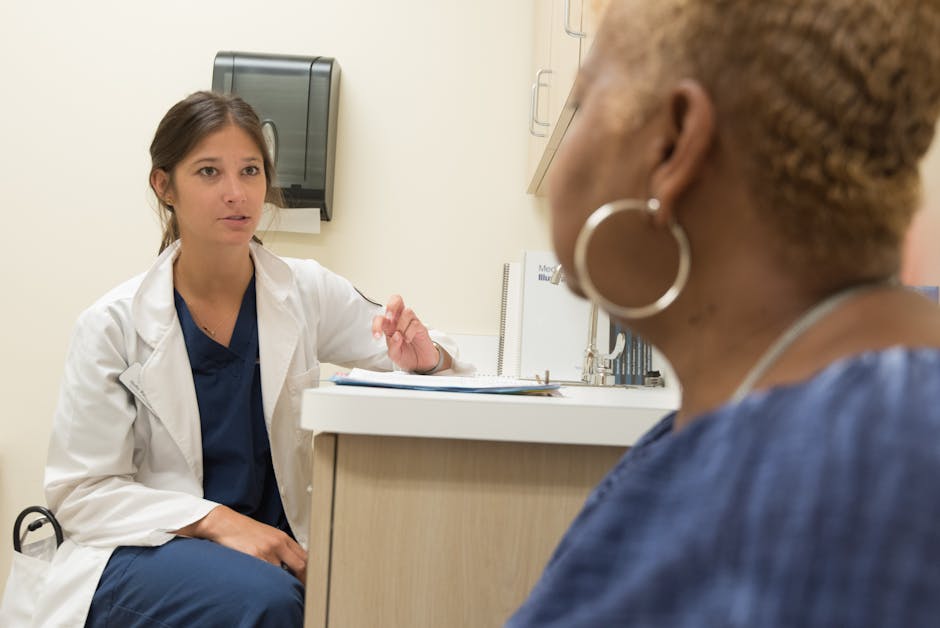
Primary care colleagues meeting around a table Healthcare environment supporting community-based care
Member Journey

A simple path from first contact to active contribution.

1

Introduce your interest

Share whether you are joining as a clinic, clinician, partner or volunteer so the right pathway can be matched quickly.

2

Choose a focus area

Select the workstream where you can contribute most, such as supervision, continuity, prevention or local outreach.

3

Join an active cycle

Enter an existing cohort, working group or implementation project with a clear start point and expected responsibilities.

4

Share what you learn

Bring back field observations, adaptations and outcomes so the wider network benefits from your participation.

Examples

Recent ways members and partners have contributed.

Clinic Care team reviewing patient coordination work

Hosted a continuity redesign sprint

A member clinic opened its routines to peer review, allowing other teams to adapt tested scheduling and recall methods for their own patients.

Education Group discussion during a healthcare learning session

Led a supervision exchange session

Experienced supervisors shared documentation patterns and case feedback methods that later informed county-wide training materials.

Community Community-focused collaboration around preventive care

Co-developed prevention outreach

Local partners helped tailor invitation language and event formats so prevention activities reached residents with lower routine engagement.

Operations Healthcare collaboration supporting implementation planning

Supported rollout behind the scenes

Volunteers coordinated sessions, managed participant communication and kept field feedback flowing into the next improvement cycle.

Start Here

Choose the contact route that fits your involvement.

Programs, workshops and supervisor tracks

For clinicians and educators interested in joining an active working group, learning session or implementation cohort.

Open the contact page